

NATO Association of Canada
The mission of NATO Association of Canada is to promote peace, prosperity, and security through knowledge and understanding of the importance of NATO.
We strive to educate and engage Canadians about NATO and NATO’s goal of peace, prosperity and security. NATO Association of Canada ensures that we have an informed citizenry able to contribute to discussions about Canada’s role on the world stage.
As a leading member of the Atlantic Treaty Association (ATA), NATO Association of Canada has strong and enduring ties with sister organizations in many of the alliance countries, as well as members of NATO’s “Partnership for Peace” and “Mediterranean Dialogue” programmes. The NAOC has had a leading role in the recent transformation and modernization of the ATA, and helped to create and develop the Youth Atlantic Treaty Association (YATA).
The NAOC has strong ties with the Government of Canada including Global Affairs Canada and the Department of National Defence. We are constantly working to create and maintain relationships with international organizations such as the World Bank Group, the European Bank of Reconstruction and Development, NATO Headquarters, the International Criminal Court, and other prominent international NGOs and think tanks.
Related Articles
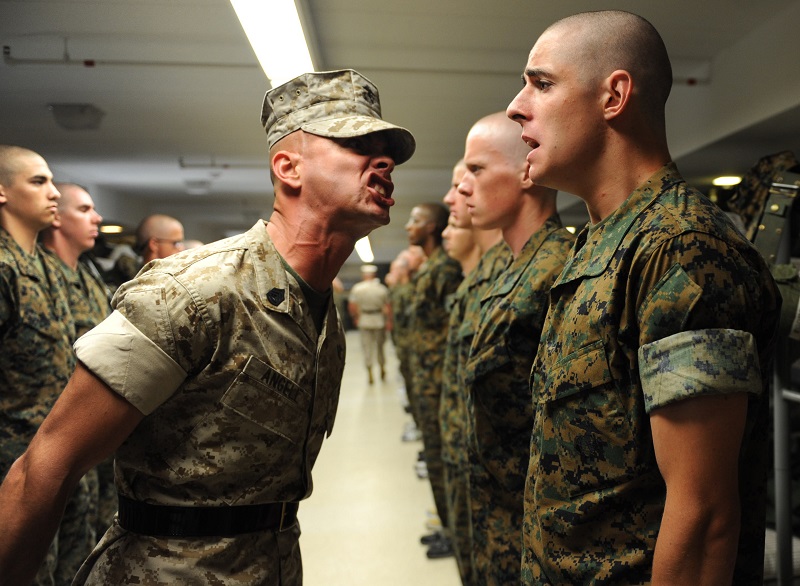
Do ask, do tell: LGBTQ inclusion and sexualized culture in the army (Part 2)
Posted on Author Megane Visette
LGBTQ inclusion in the army, are we there yet? In the part 2 of this series, Mégane Visette discusses the findings and measures of the Deschamps’s report on sexual assault in the military, and the potential of gender awareness courses in the military.
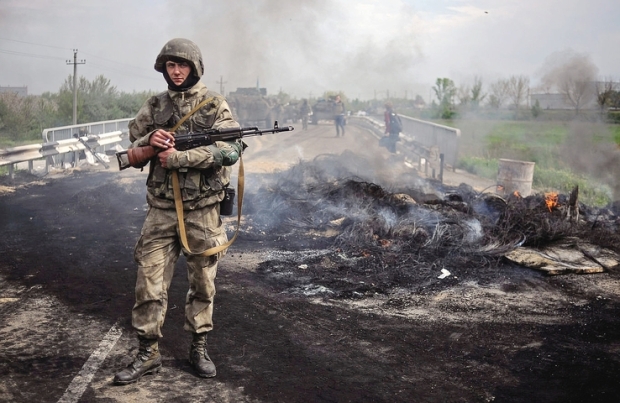
A View From Ukraine, 2 May, 2014
Posted on Author NATO Association of Canada
Dr. Serhiy Dzherdzh, head of the NATO-Ukraine Civic League, the NCC’s counterpart in Ukraine, reports on the situation there.
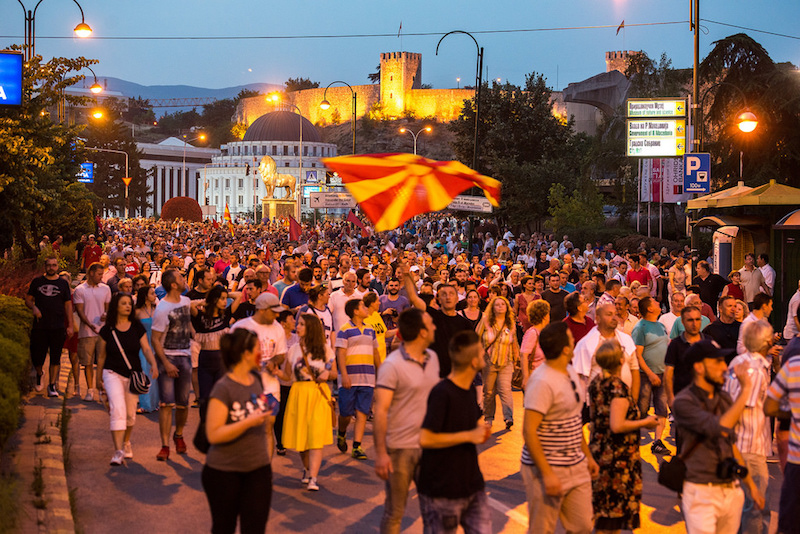
Crisis in Macedonia: Democracy, Geopolitics, and Ethnic Tensions
Posted on Author Aidan Simardone
Aidan Simardone explores the ongoing political crisis in Macedonia, its ramifications, and how countries in the Euro-Atlantic should respond.