

NATO Association of Canada
The mission of NATO Association of Canada is to promote peace, prosperity, and security through knowledge and understanding of the importance of NATO.
We strive to educate and engage Canadians about NATO and NATO’s goal of peace, prosperity and security. NATO Association of Canada ensures that we have an informed citizenry able to contribute to discussions about Canada’s role on the world stage.
As a leading member of the Atlantic Treaty Association (ATA), NATO Association of Canada has strong and enduring ties with sister organizations in many of the alliance countries, as well as members of NATO’s “Partnership for Peace” and “Mediterranean Dialogue” programmes. The NAOC has had a leading role in the recent transformation and modernization of the ATA, and helped to create and develop the Youth Atlantic Treaty Association (YATA).
The NAOC has strong ties with the Government of Canada including Global Affairs Canada and the Department of National Defence. We are constantly working to create and maintain relationships with international organizations such as the World Bank Group, the European Bank of Reconstruction and Development, NATO Headquarters, the International Criminal Court, and other prominent international NGOs and think tanks.
Related Articles
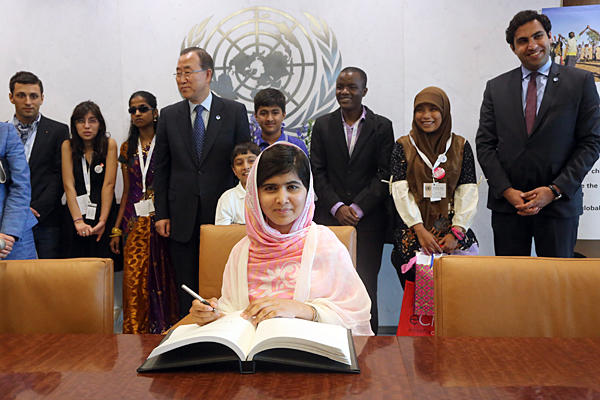
Malala’s Message: The Fight for the Right to Education
Posted on Author Katie Joyce
Katie Joyce discusses the impact of Malala Yousafzai’s landmark equal-rights education campaign.
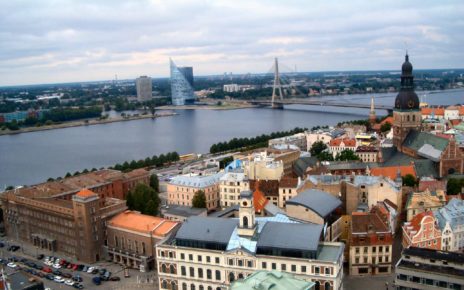
Democracy Battles Back: Inside Canada’s Mission to the Baltics with Ambassador Kevin Rex
Posted on Author Jack Burnham
Canada’s contribution to the enhanced Forward Presence in Latvia began in 2017 and has since become a significant part of NATO’s security architecture in Eastern Europe. In this article, Jack Burnham sits down with Kevin Rex, Canada’s ambassador to the Baltics, to discuss his career, the eFP, and Canada’s relationships with Latvia, Lithuania, and Estonia.

Cyber Security and Emerging Threats
Eastern Europe and Russia
Expanding Community
International Law & Policy
Justine Reisler
Peace & Conflict Studies
Rights
Security
Russia Annexes Crimea: what now?
Posted on Author Justine Reisler
Justine Reisler argues that the Crimean dispute should end with the borders drawn today.