

NATO Association of Canada
The mission of NATO Association of Canada is to promote peace, prosperity, and security through knowledge and understanding of the importance of NATO.
We strive to educate and engage Canadians about NATO and NATO’s goal of peace, prosperity and security. NATO Association of Canada ensures that we have an informed citizenry able to contribute to discussions about Canada’s role on the world stage.
As a leading member of the Atlantic Treaty Association (ATA), NATO Association of Canada has strong and enduring ties with sister organizations in many of the alliance countries, as well as members of NATO’s “Partnership for Peace” and “Mediterranean Dialogue” programmes. The NAOC has had a leading role in the recent transformation and modernization of the ATA, and helped to create and develop the Youth Atlantic Treaty Association (YATA).
The NAOC has strong ties with the Government of Canada including Global Affairs Canada and the Department of National Defence. We are constantly working to create and maintain relationships with international organizations such as the World Bank Group, the European Bank of Reconstruction and Development, NATO Headquarters, the International Criminal Court, and other prominent international NGOs and think tanks.
Related Articles
Aaron Willschick
Cyber Security and Emerging Threats
The Middle East and North Africa
Western Europe
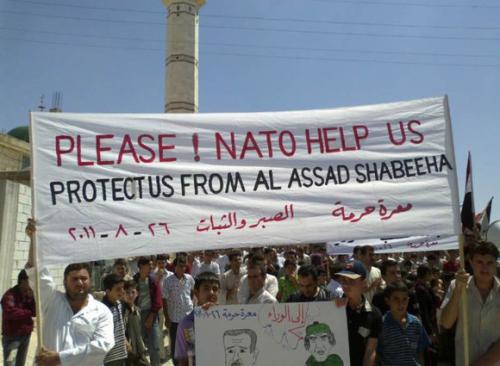
One Foot in the Door: The U.S., NATO and Syria
Posted on Author Aaron Willschick
As the bloodshed continues to rise in Syria, the U.S. and NATO continue to deliberate on getting involved militarily. Aaron Willschick argues that a more balanced NATO is desperately needed to help even out the burden.
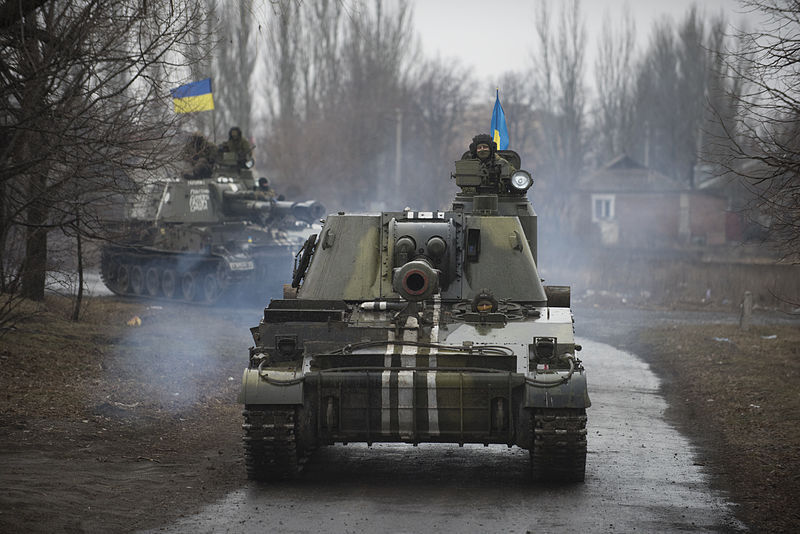
Phishing on the Dnieper: Russian Offensive Cyber Operations in Ukraine
Posted on Author Ian Litschko
While the Russo-Ukranian conflict has challenged many geo-political norms, it has also caused many to reconsider theories of warfare. In this article, Ian Litschko and Josh Campbell examine Russia’s cyber operations in Ukraine.

Canada
Health
Kelsey Berg
Security
Society
Society, Culture, and Security
The United States of America
Meat in the Age of Antibiotic Resistance
Posted on Author Kelsey Berg
Kelsey Berg discusses the startling discovery of the MCR-1 gene in Canadian beef, and the measures to fight against antibiotic resistance.